Salacak: A Contemporary Urban Vision Reconnecting Istanbul with the Bosphorus
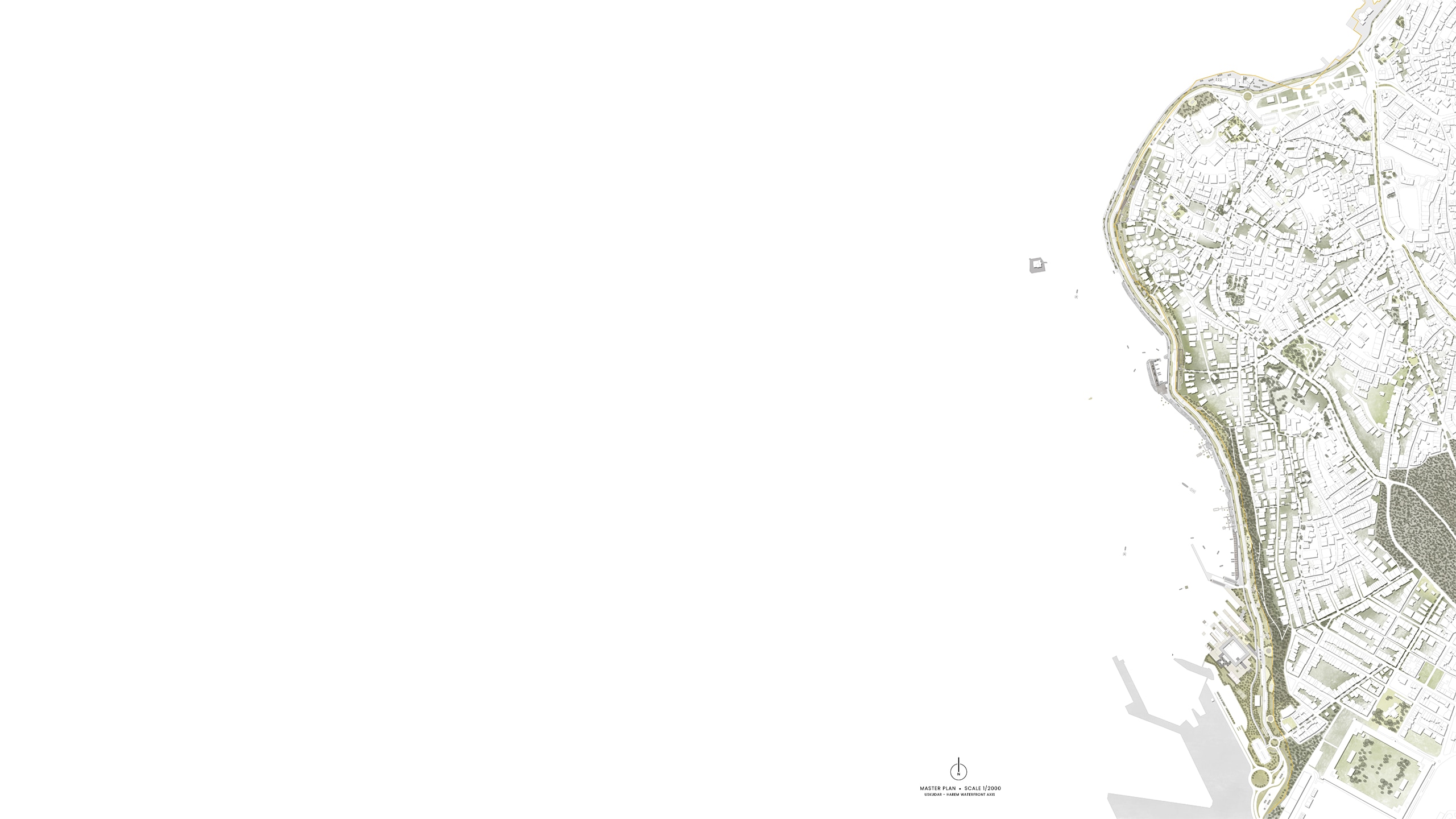
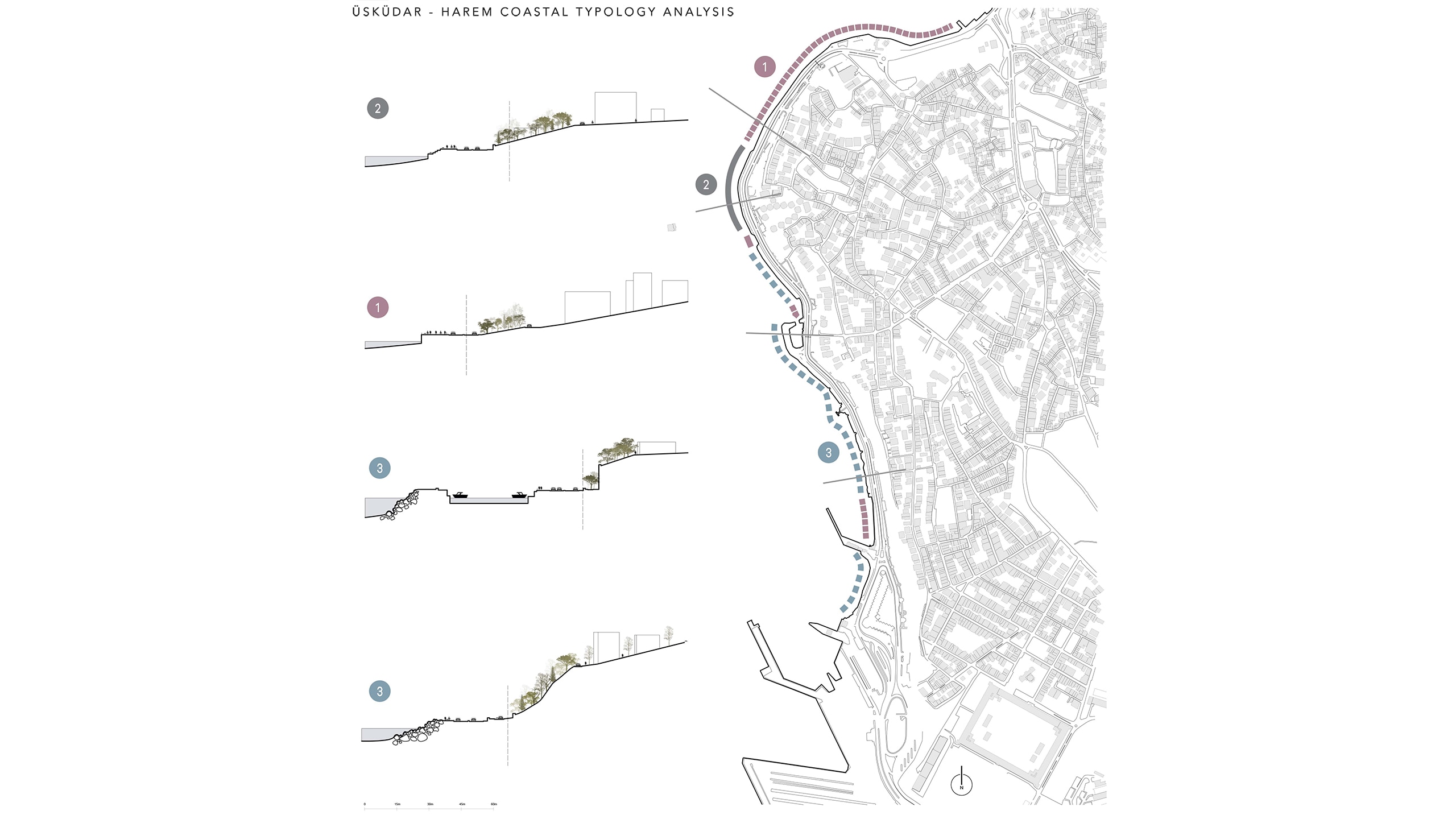
The Salacak-Harem Coastal Revitalization Project reimagines one of Istanbul’s most iconic waterfronts through a holistic design approach that fuses urban memory, public space, and ecological renewal. Stretching 3 kilometers along the Asian shoreline of the Bosphorus, between Uskudar and Harem, this transformative initiative seeks to reestablish the historical and cultural significance of the area by promoting public access to water, enriching recreational uses, and introducing sustainable landscape strategies.
Waterfront Living: Reuniting the City with the Sea
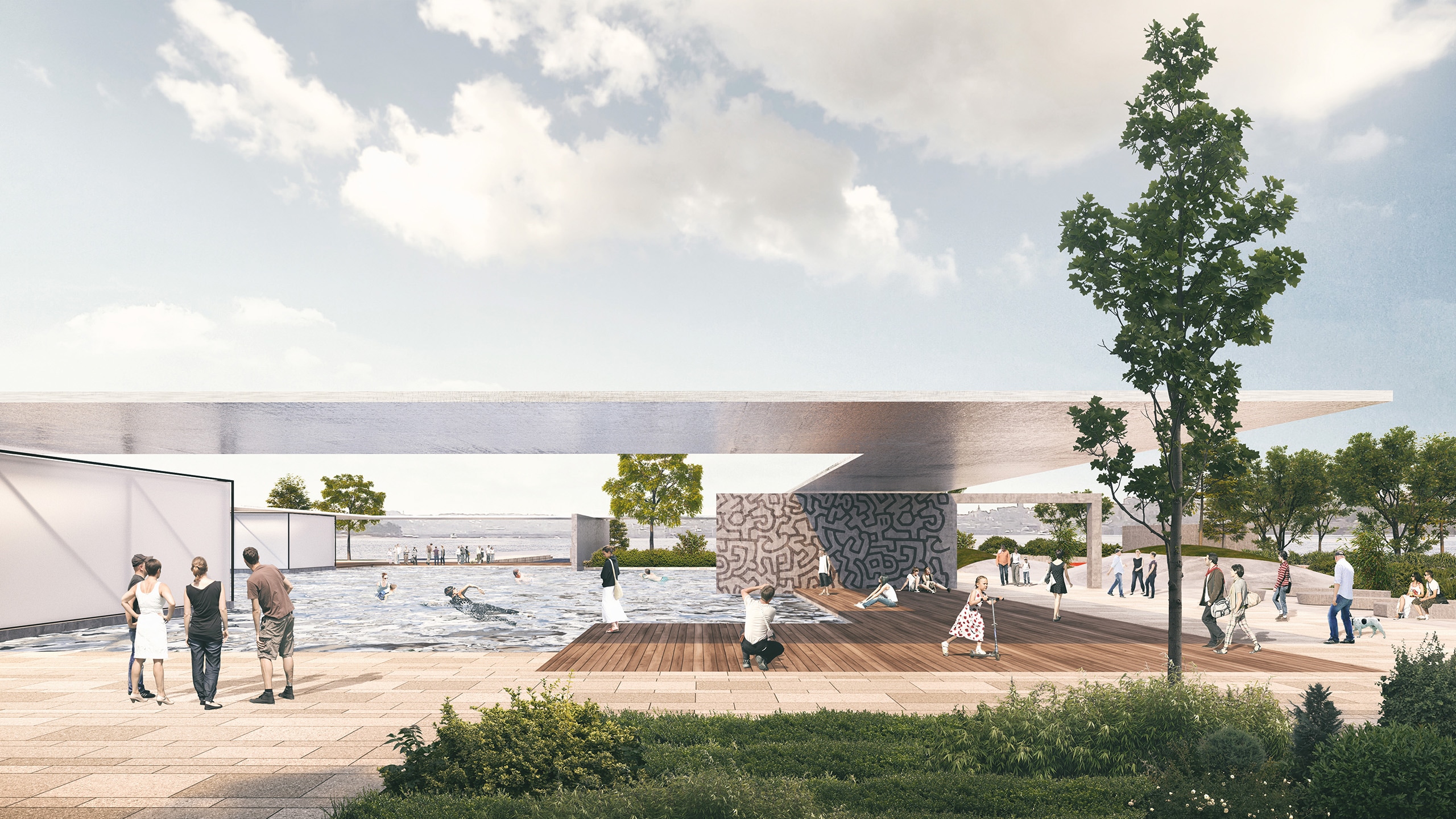
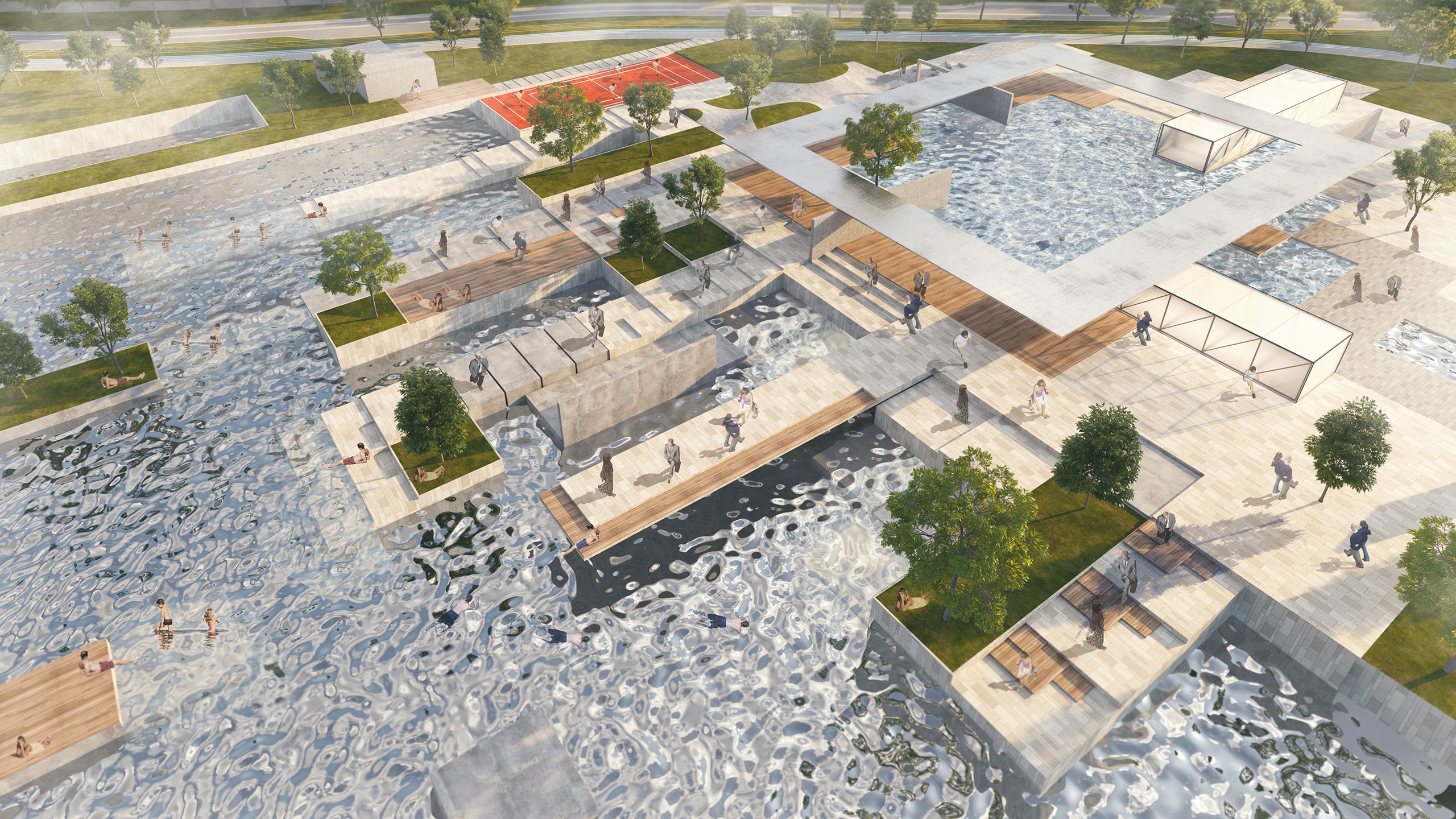
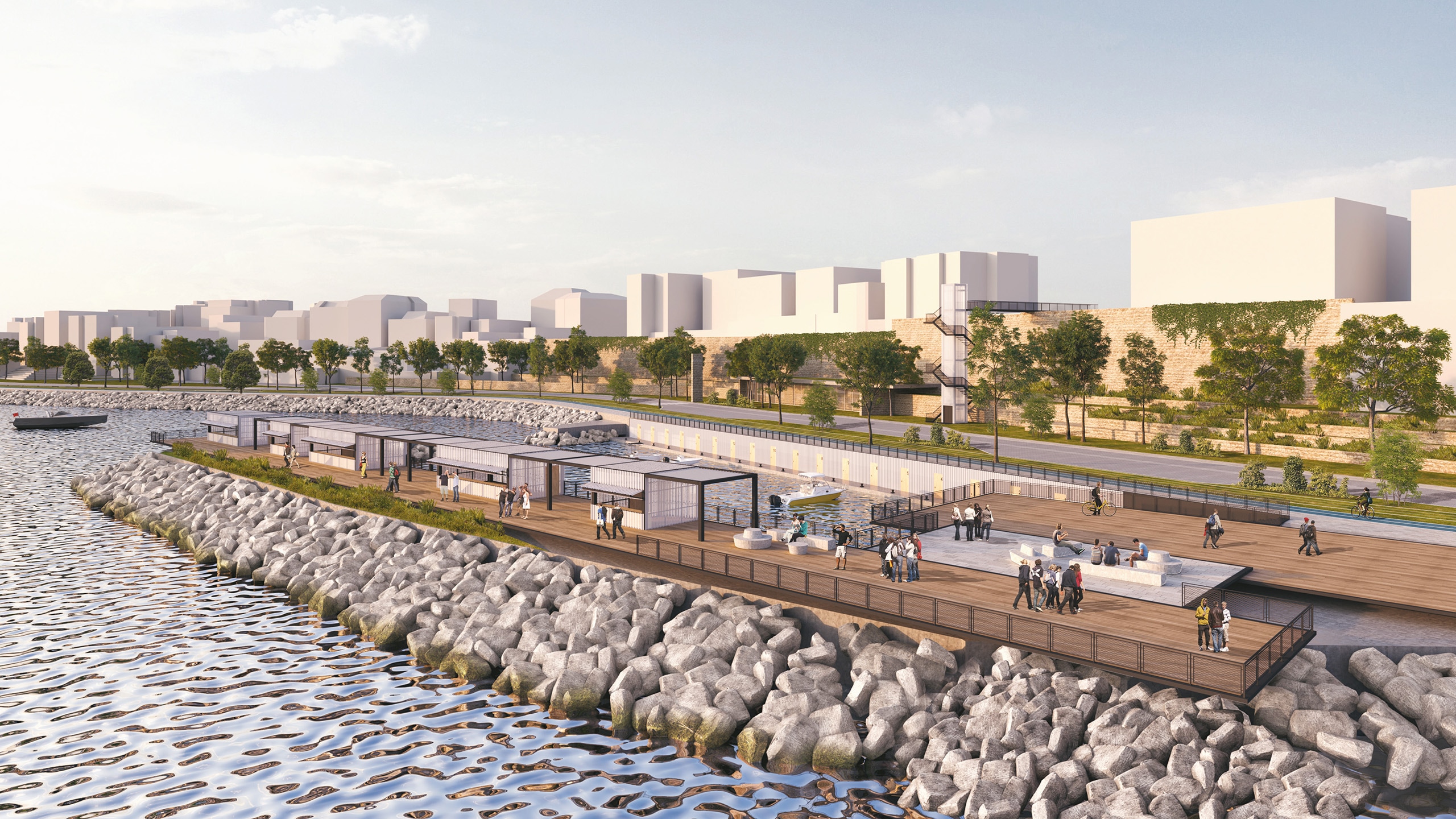
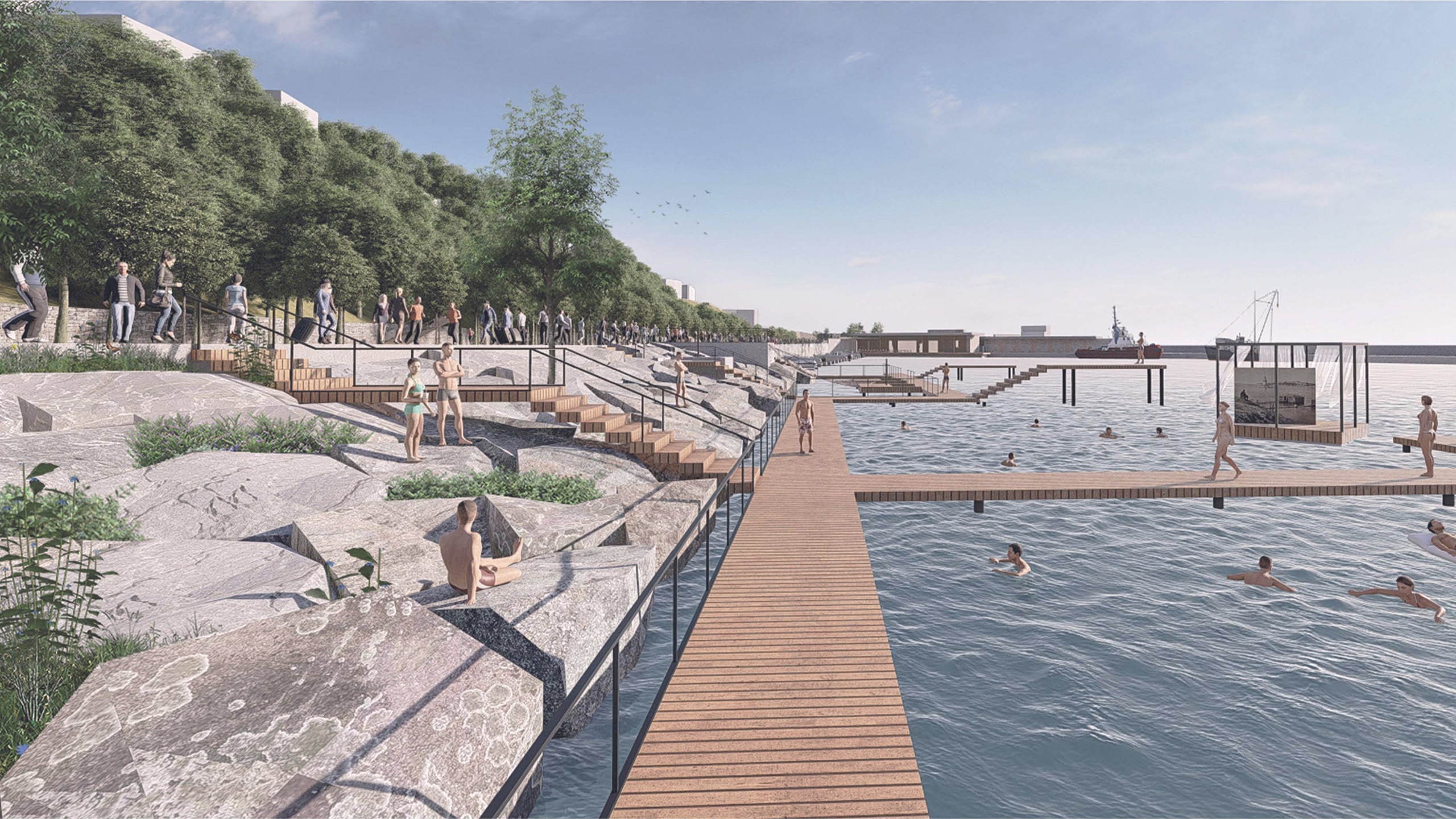
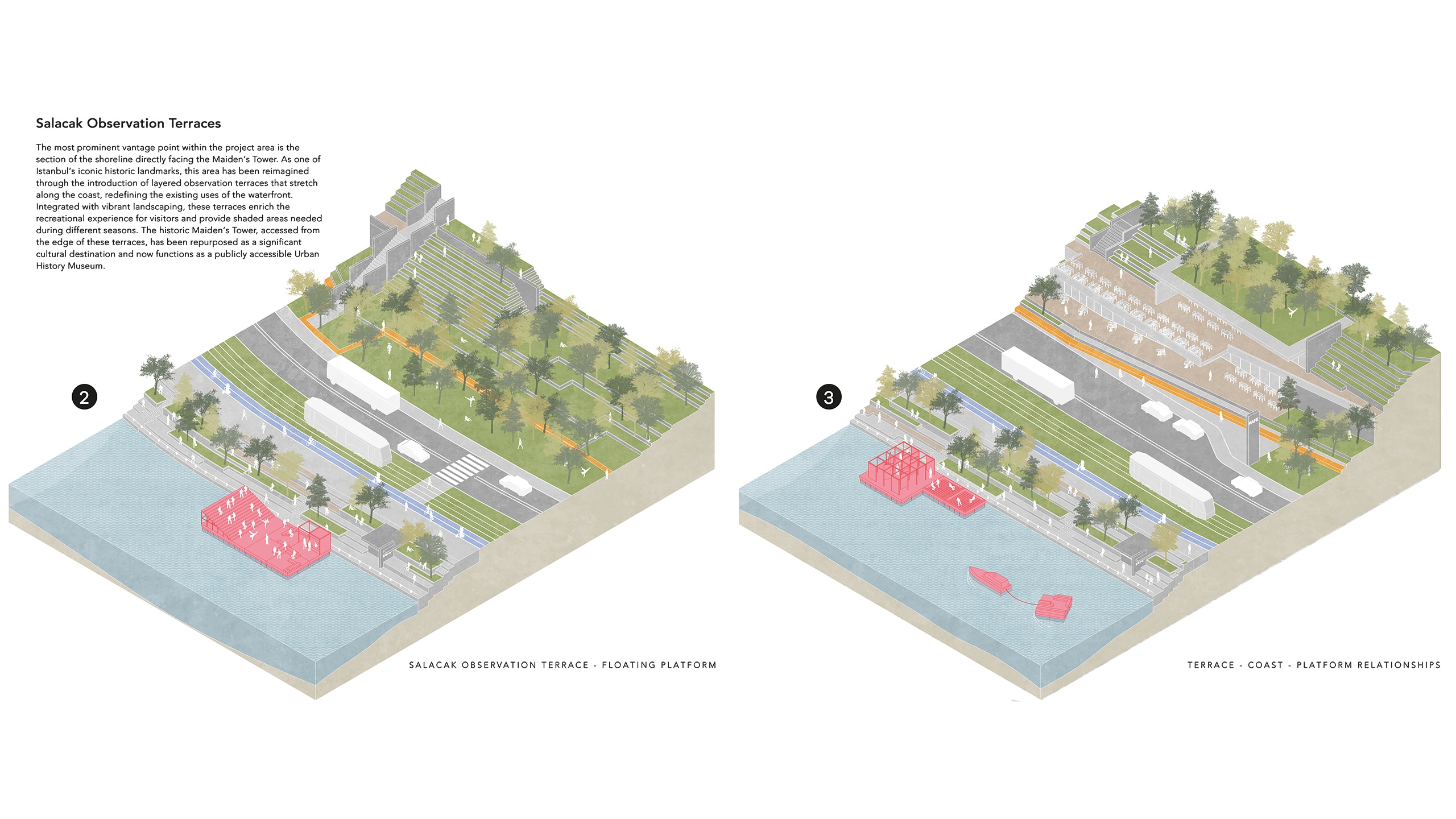
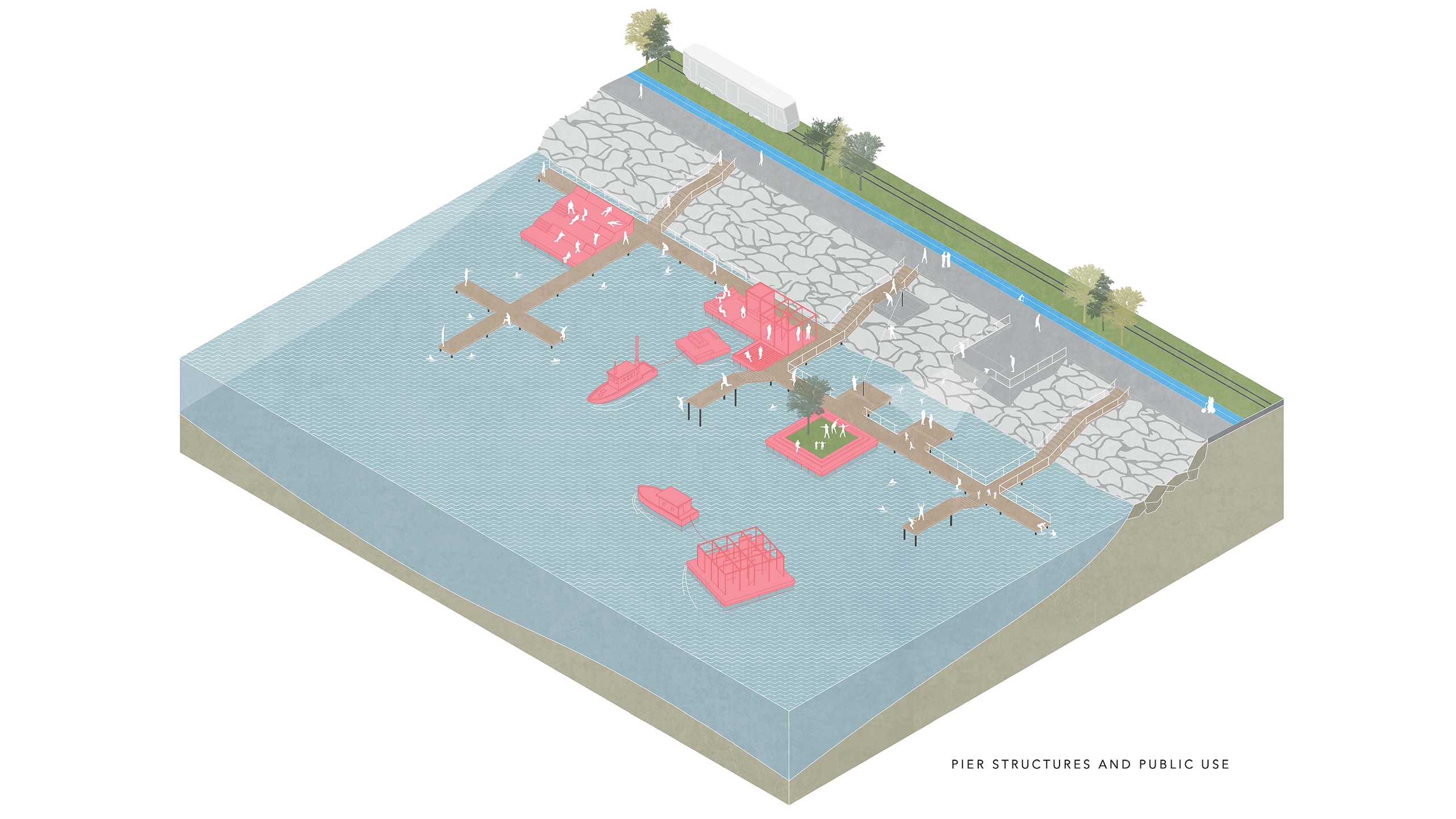
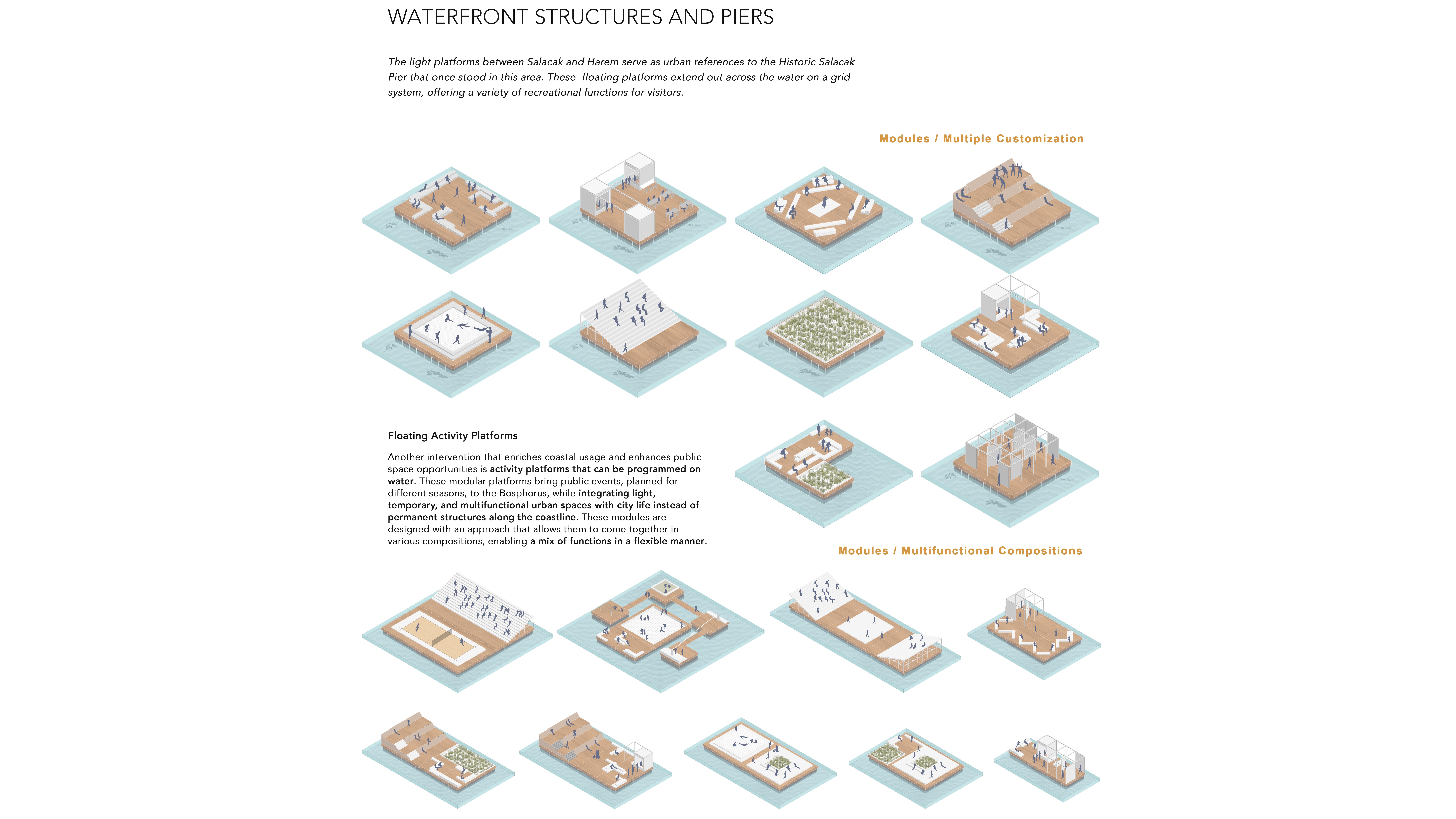
Historically, the Salacak coastline has been a place where generations of Istanbulites met the waters of the Bosphorus. The project draws from this cultural memory, aiming to restore the connection between city dwellers and the sea through accessible and interactive public spaces. Emphasizing the concept of 'living with water,' the design incorporates floating activity platforms -such as observation platforms and activity piers - that offer new ways to engage with the shoreline.
Key interventions such as the Salacak Observation Terraces and Floating Activity Platforms are conceived as flexible and seasonal elements that accommodate artistic, cultural, and sporting events. These features blend into the environment, enhance the human-scale experience, and offer uninterrupted pedestrian circulation along the coast.
Public Spaces as Catalysts for Urban Interaction
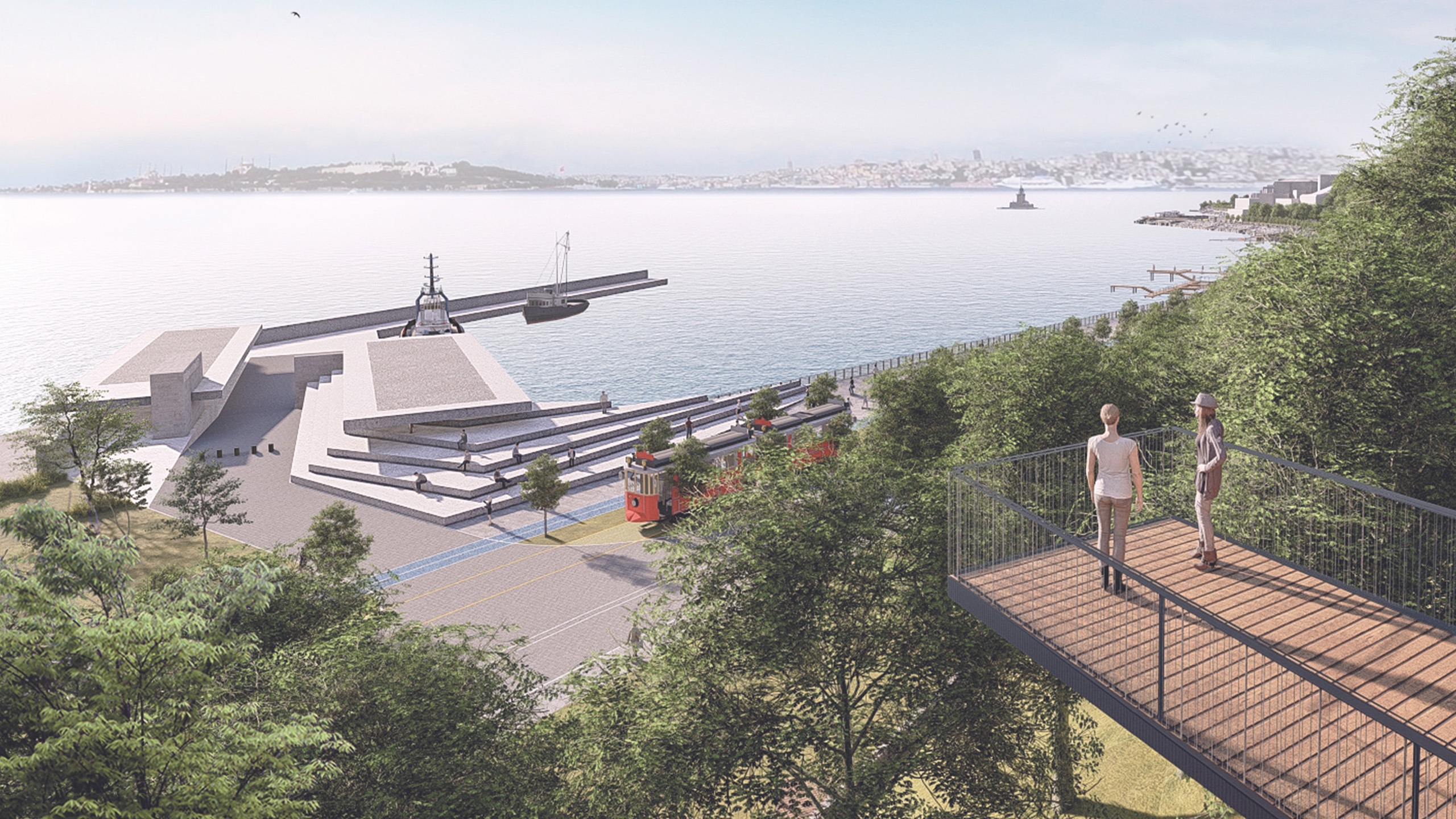
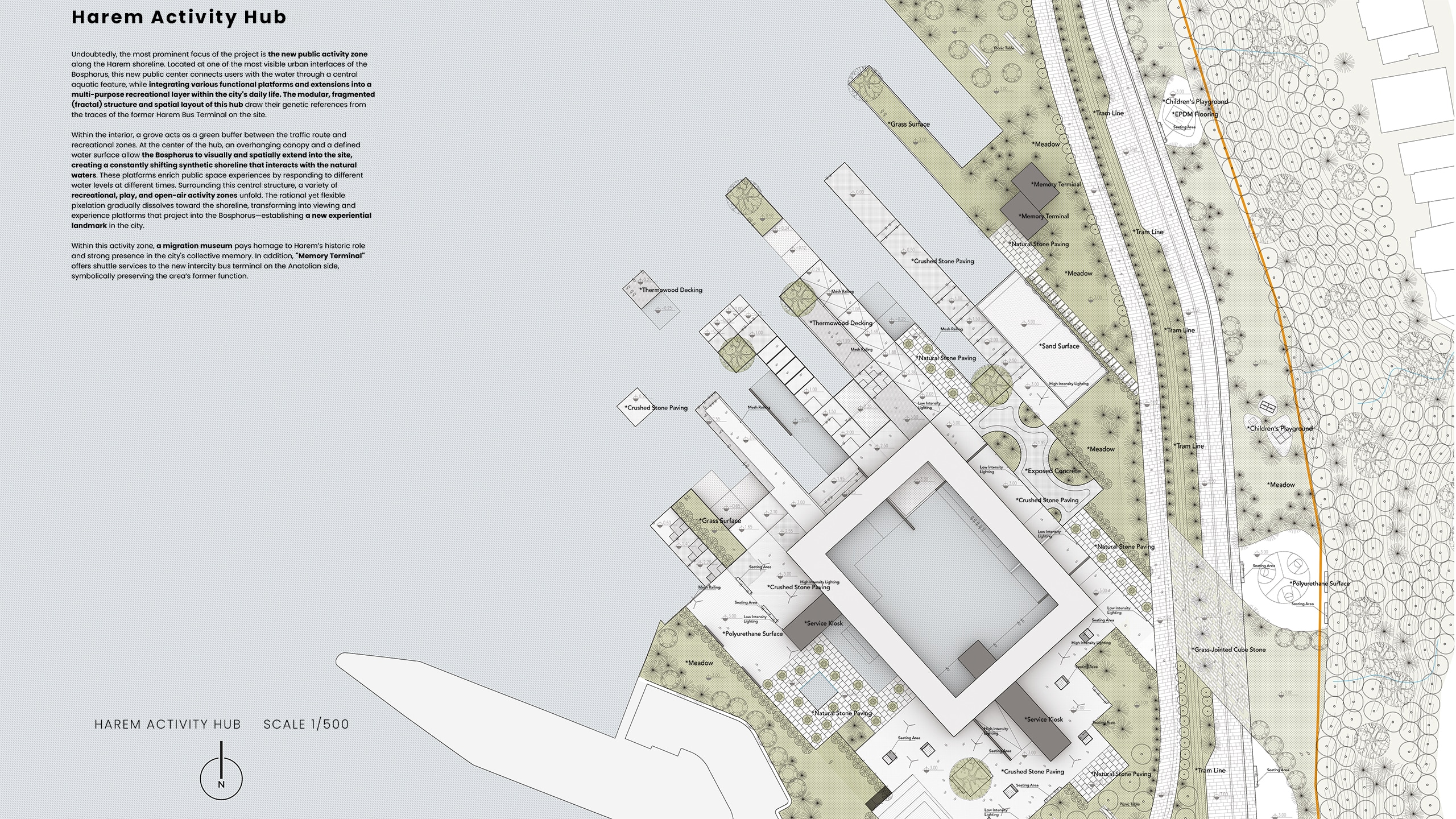
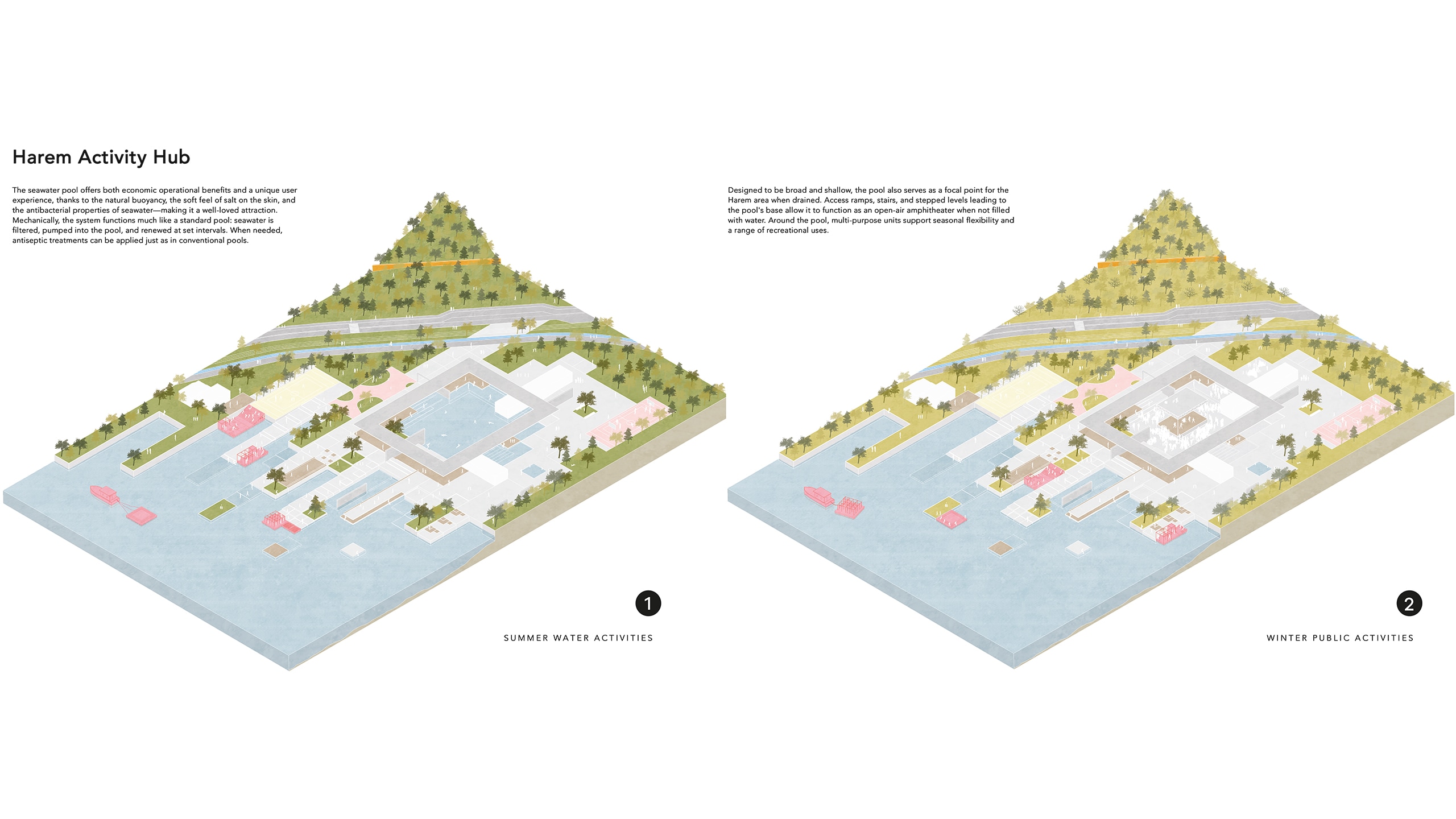
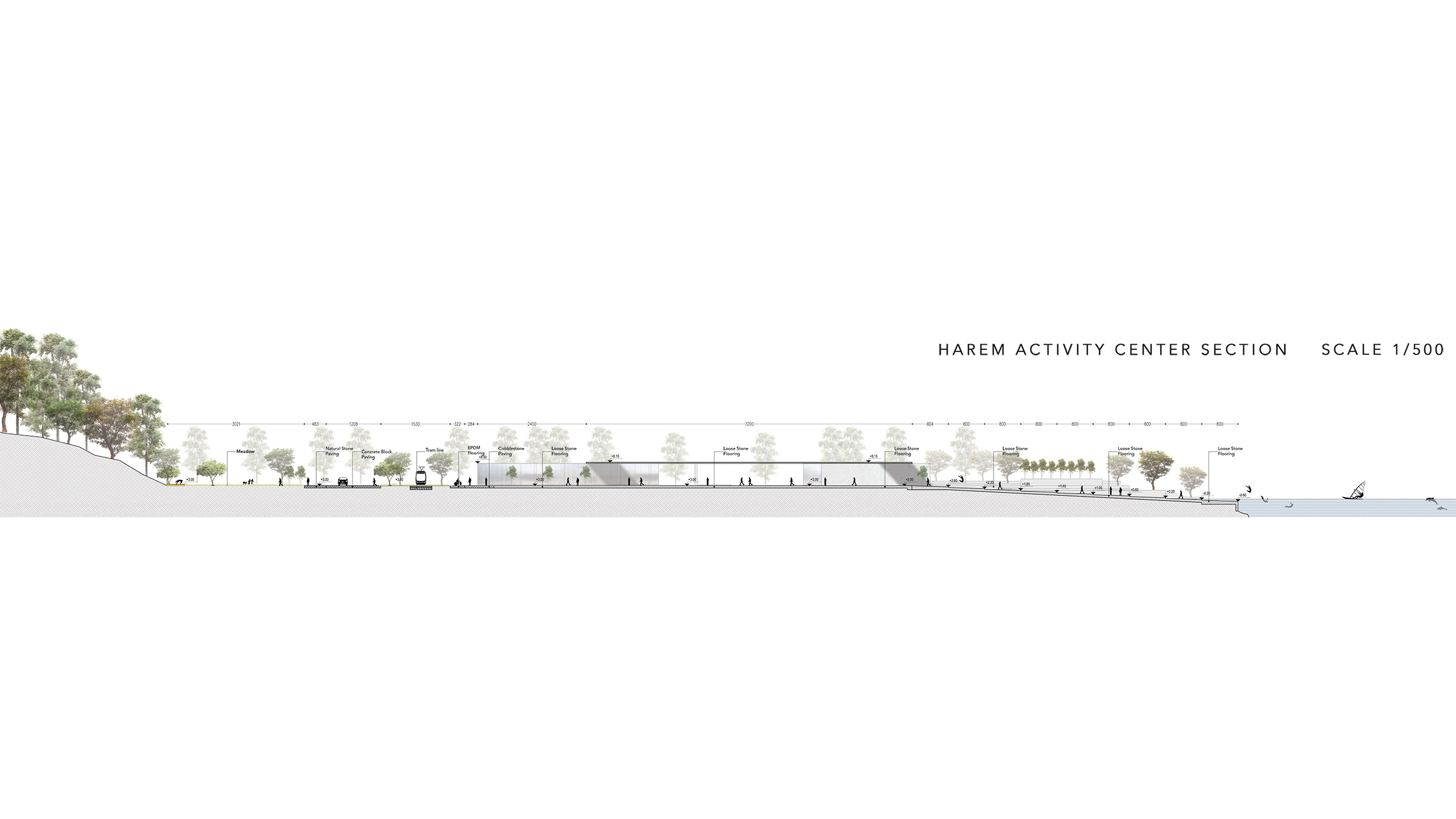
The revitalization introduces diverse urban programs aimed at enhancing community life. Spaces are designed not only for leisure but also as social catalysts that promote inclusivity and interaction. The Harem Activity Hub is the most prominent example, located at a historically significant transportation node. Here, a multifunctional recreational platform invites citizens to reconnect with the Bosphorus through promenades, shaded resting areas, and panoramic viewpoints.
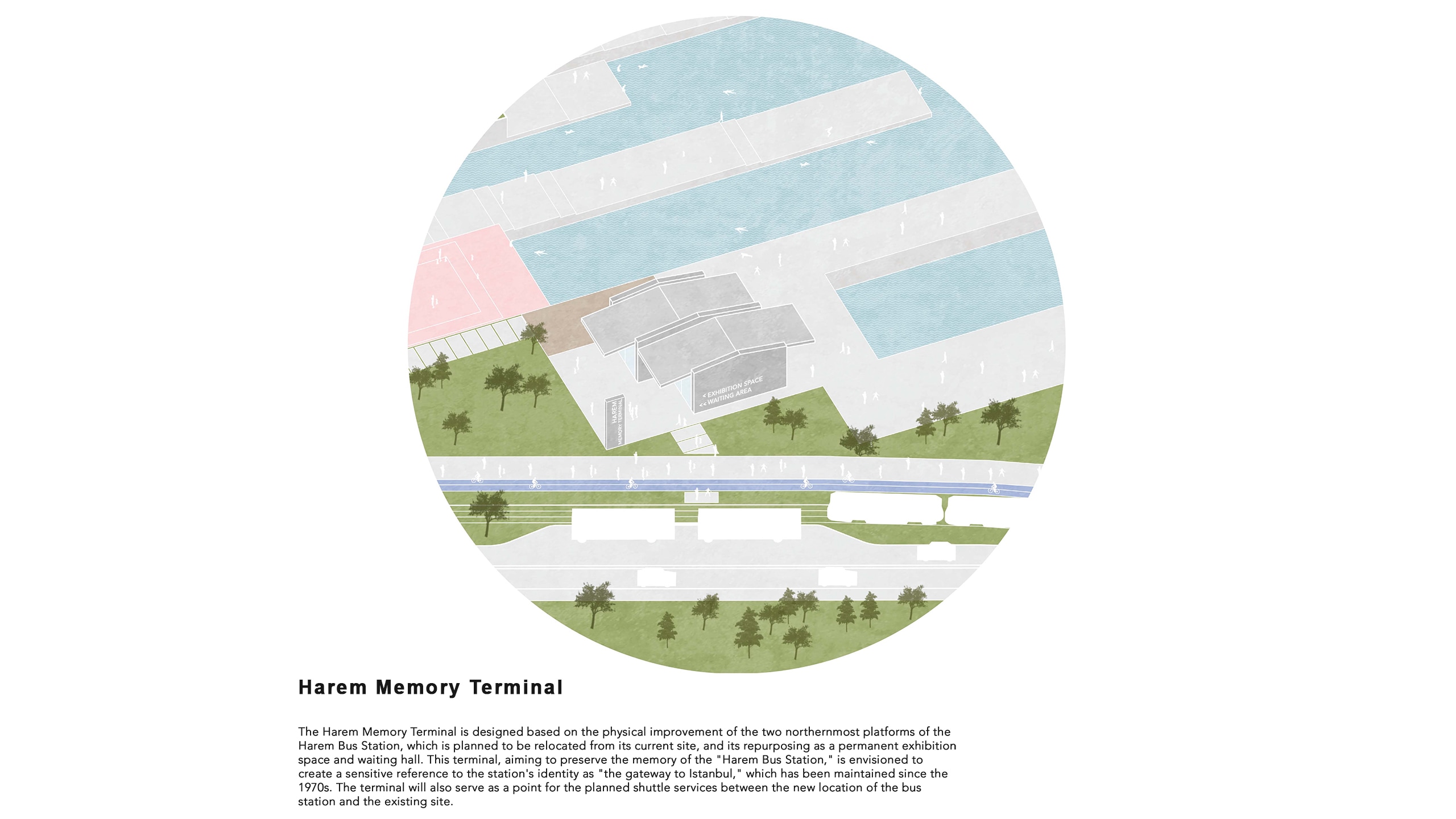
This hub also houses a Migration Museum, a nod to Harem’s legacy, and a “Memory Terminal” providing shuttle connections to the new bus terminal, blending heritage preservation with modern infrastructure.
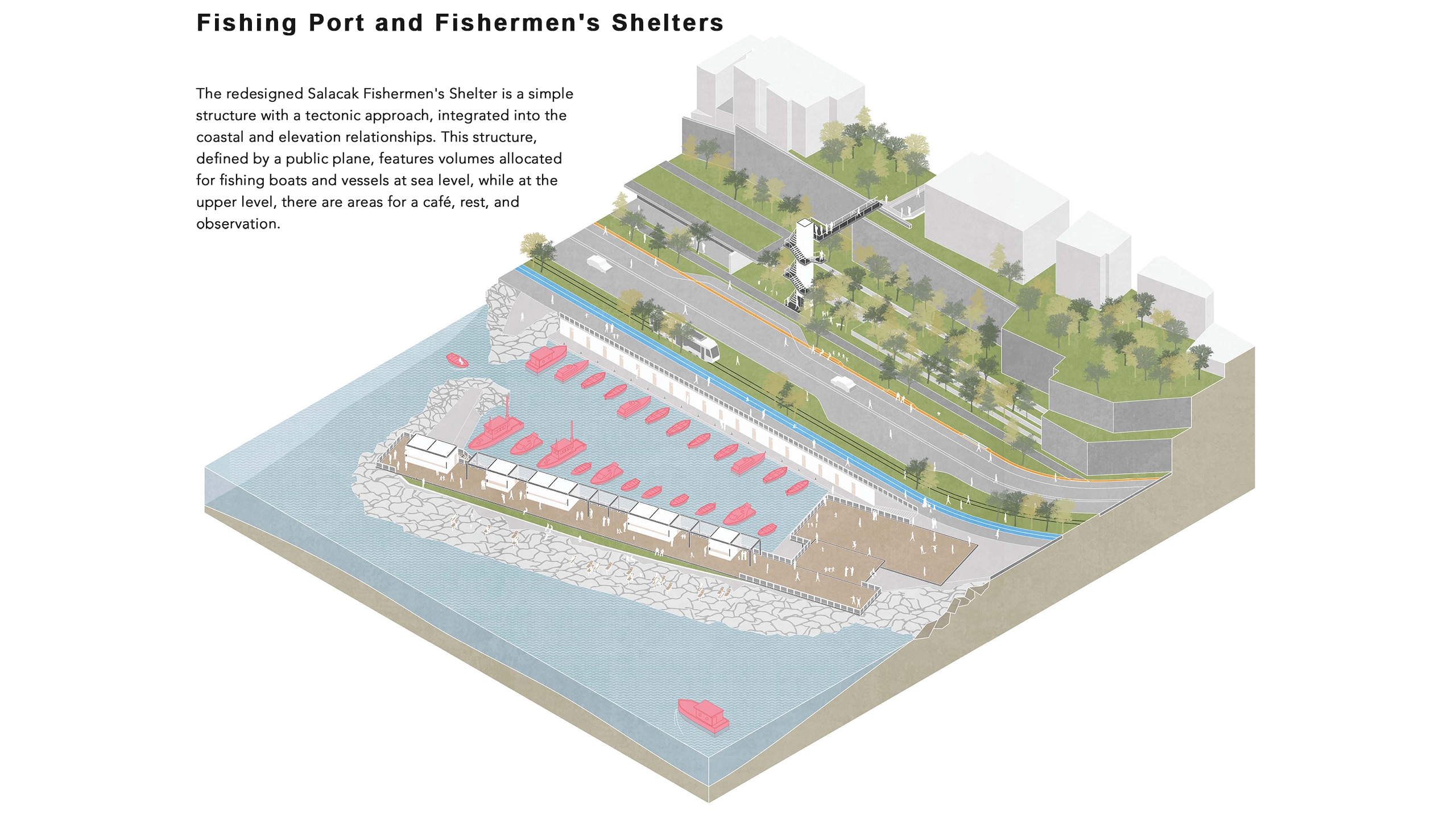
Other themed nodes such as the Salacak Fishermen’s Shelter, redesigned with tectonic simplicity, and the Waterfront Activity Piers offer opportunities for passive and active engagement. Each space is organized into a systemic layout, forming an urban spine that links neighborhoods, landscapes, and heritage.
Ecological Revitalization and Green Infrastructure
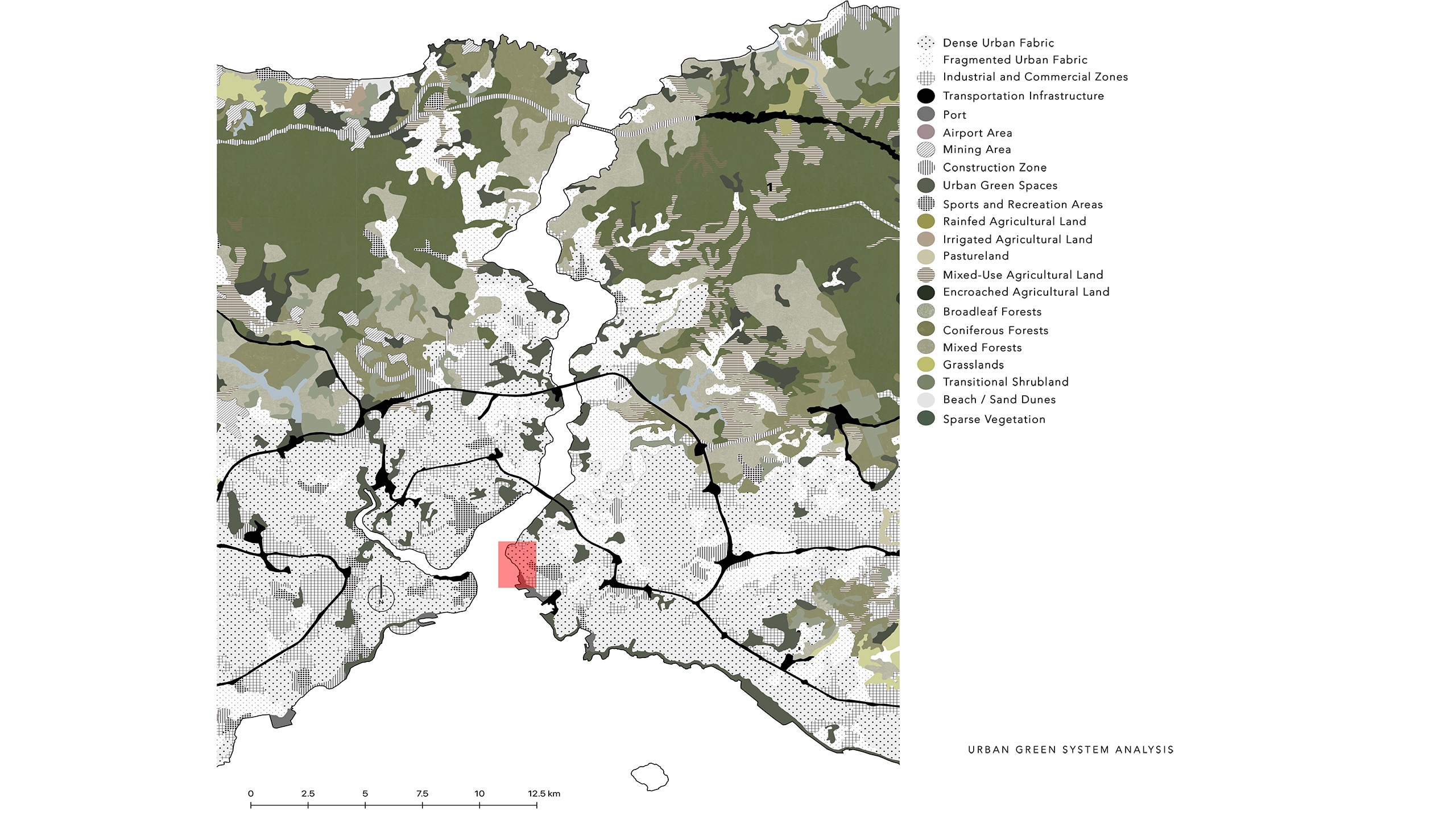
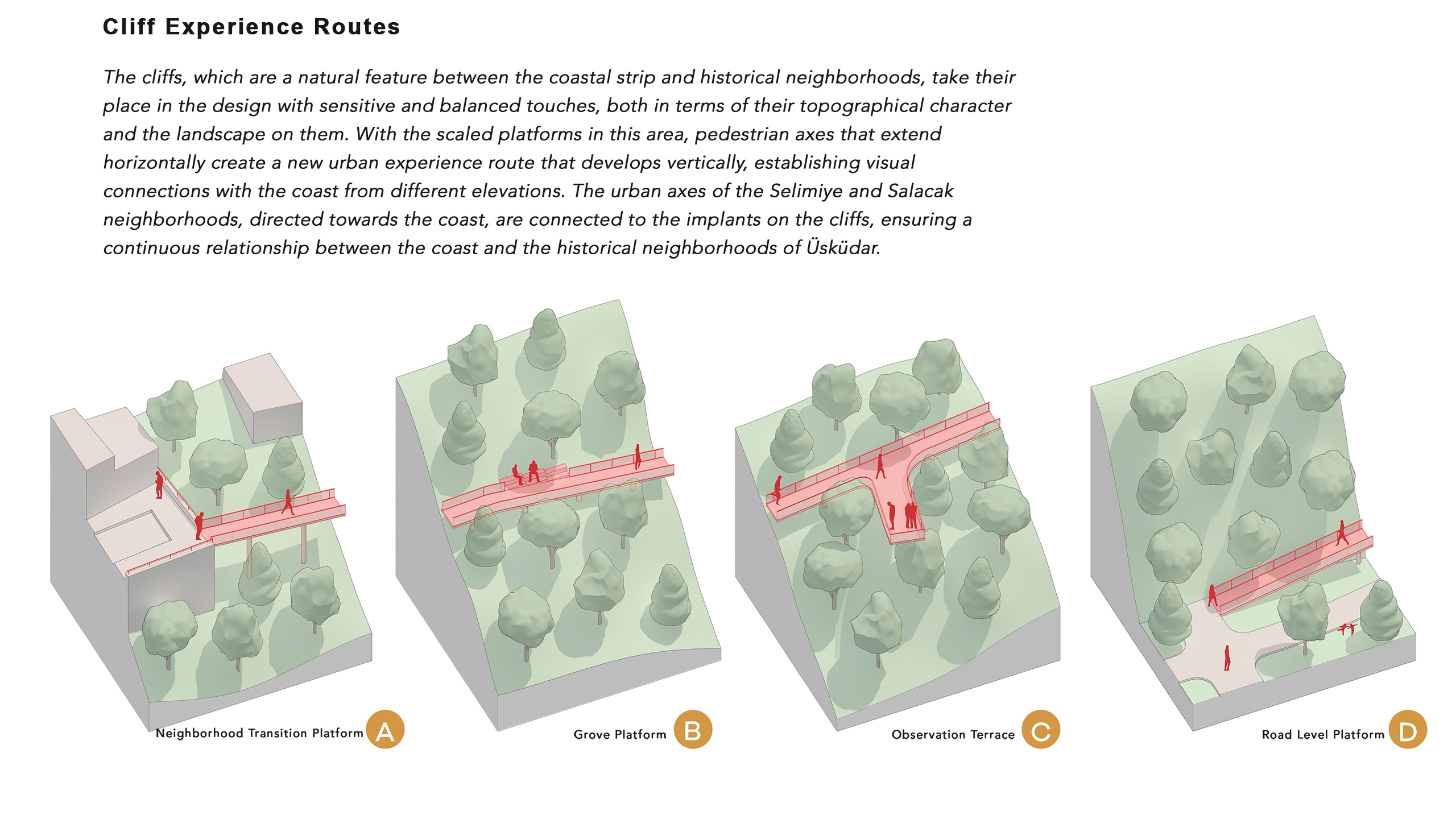
One of the project’s defining features is its commitment to ecological revitalization. The design prioritizes the preservation and enhancement of local flora, especially the mature tree textures in the cliff zones (falez). These cliffs serve as both natural separators and vertical connectors between the historic neighborhoods and the waterfront.
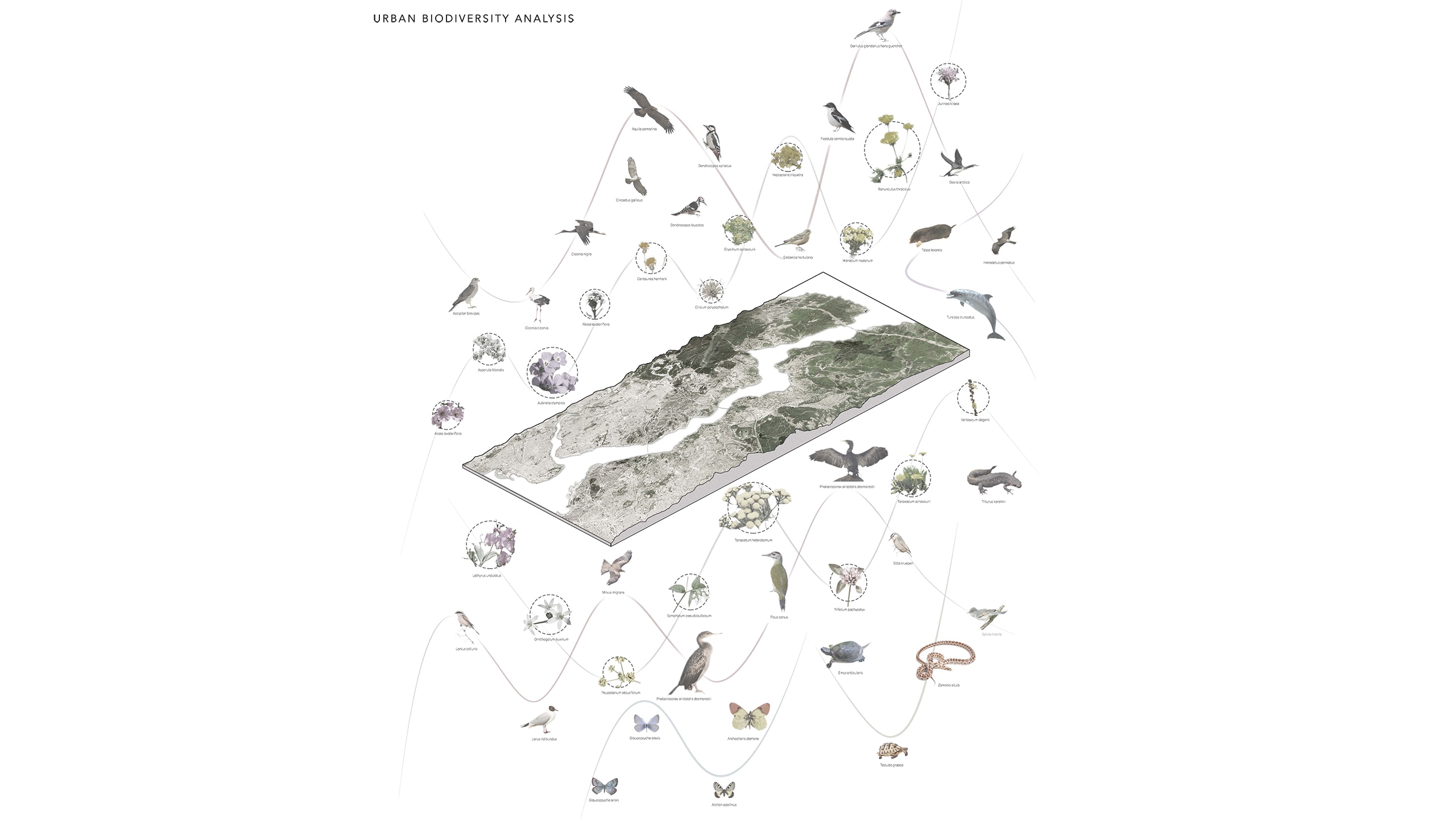
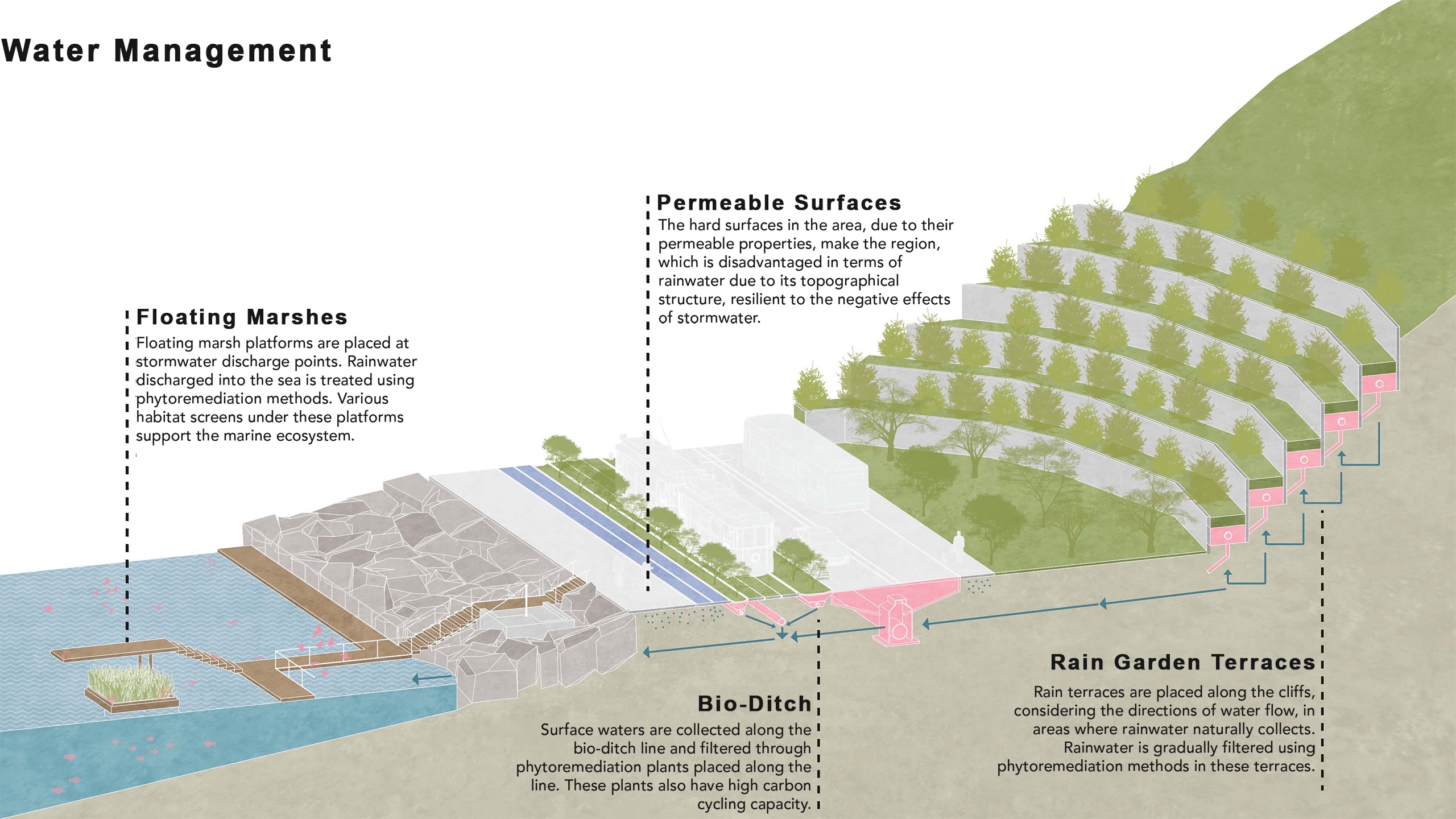
New ecological microenvironments are introduced along the coast, where native vegetation and fauna are reestablished. The green infrastructure is further supported by bioswales: landscape elements designed to collect, filter, and reintegrate rainwater into the soil using phytoremediation-capable plant species. This creates a self-sustaining ecological corridor that reinforces biodiversity and climate resilience.
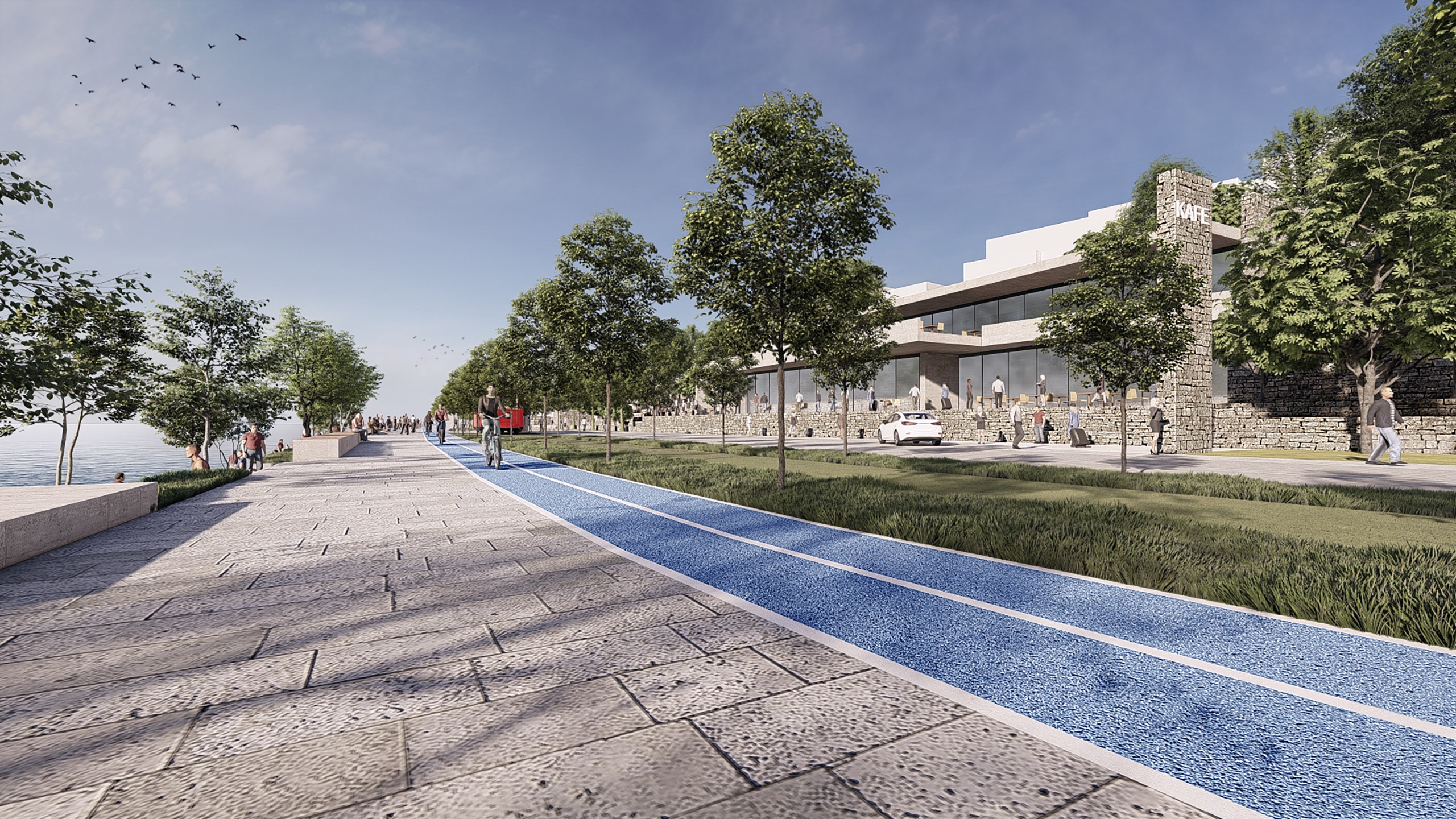
Additionally, the renewed green recreational belt contrasts with the dense built-up areas of Uskudar, especially around the Harem hub, offering a refreshing escape within the urban fabric.
Reinterpreting Mobility and Access
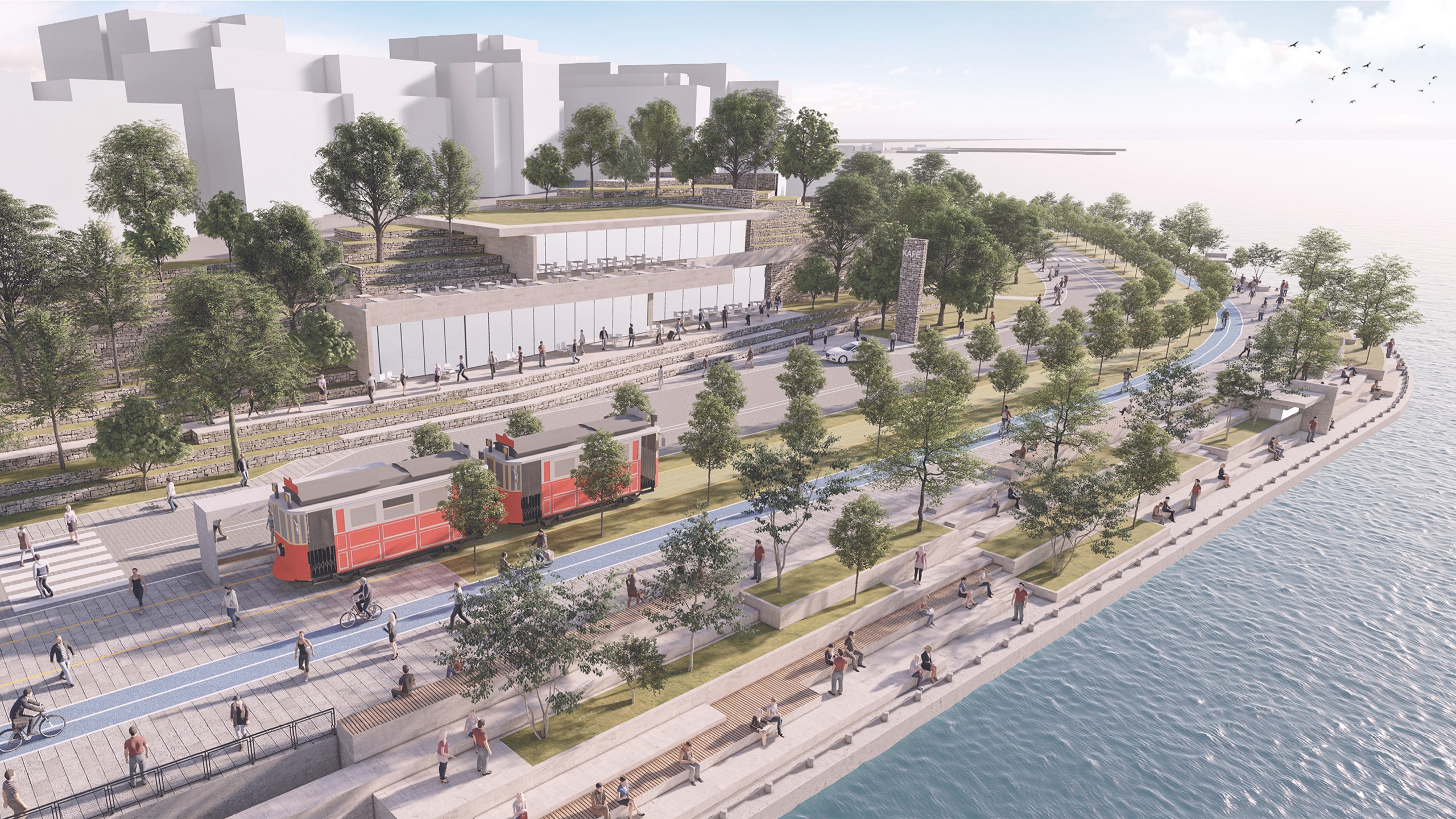
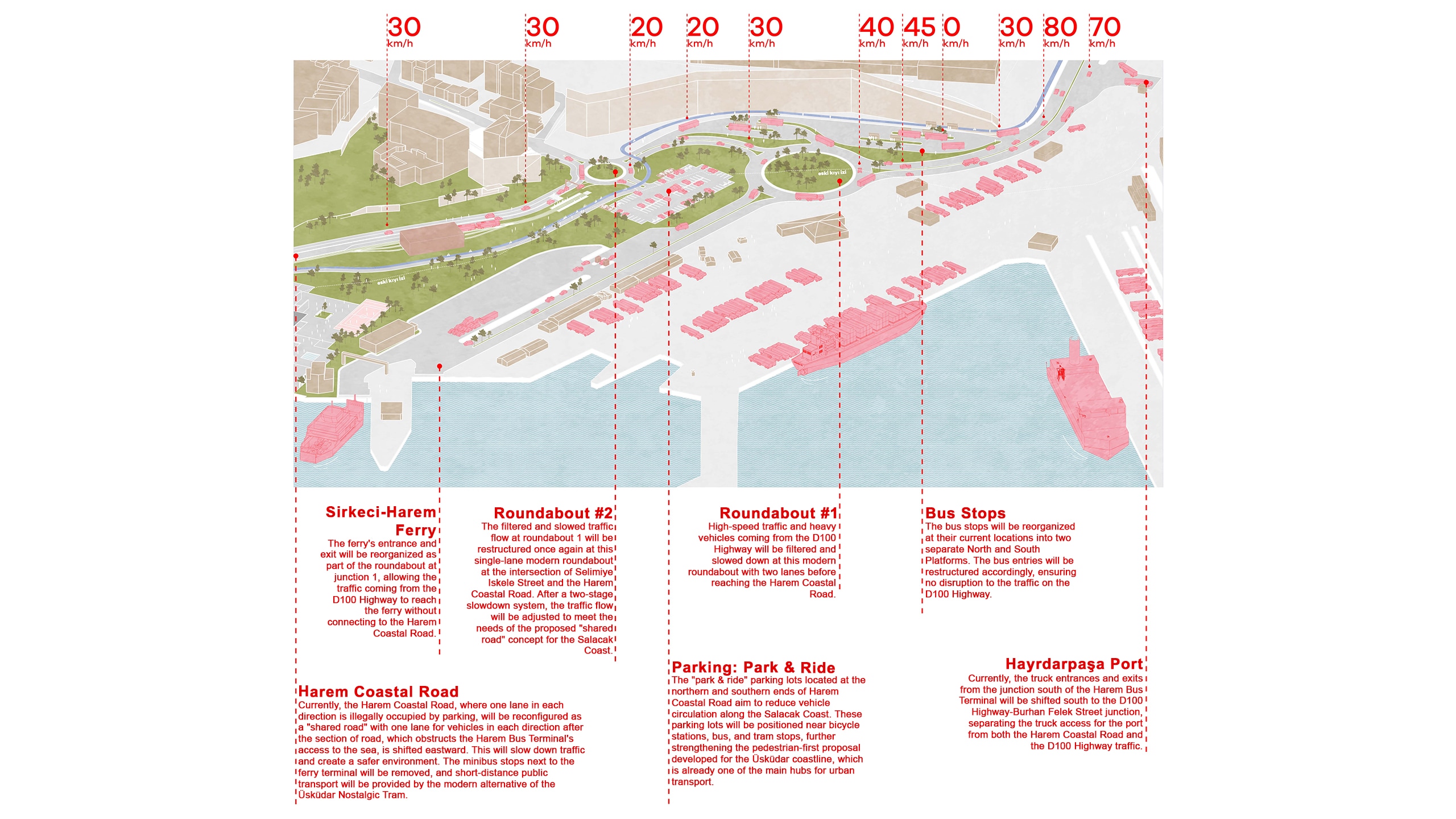
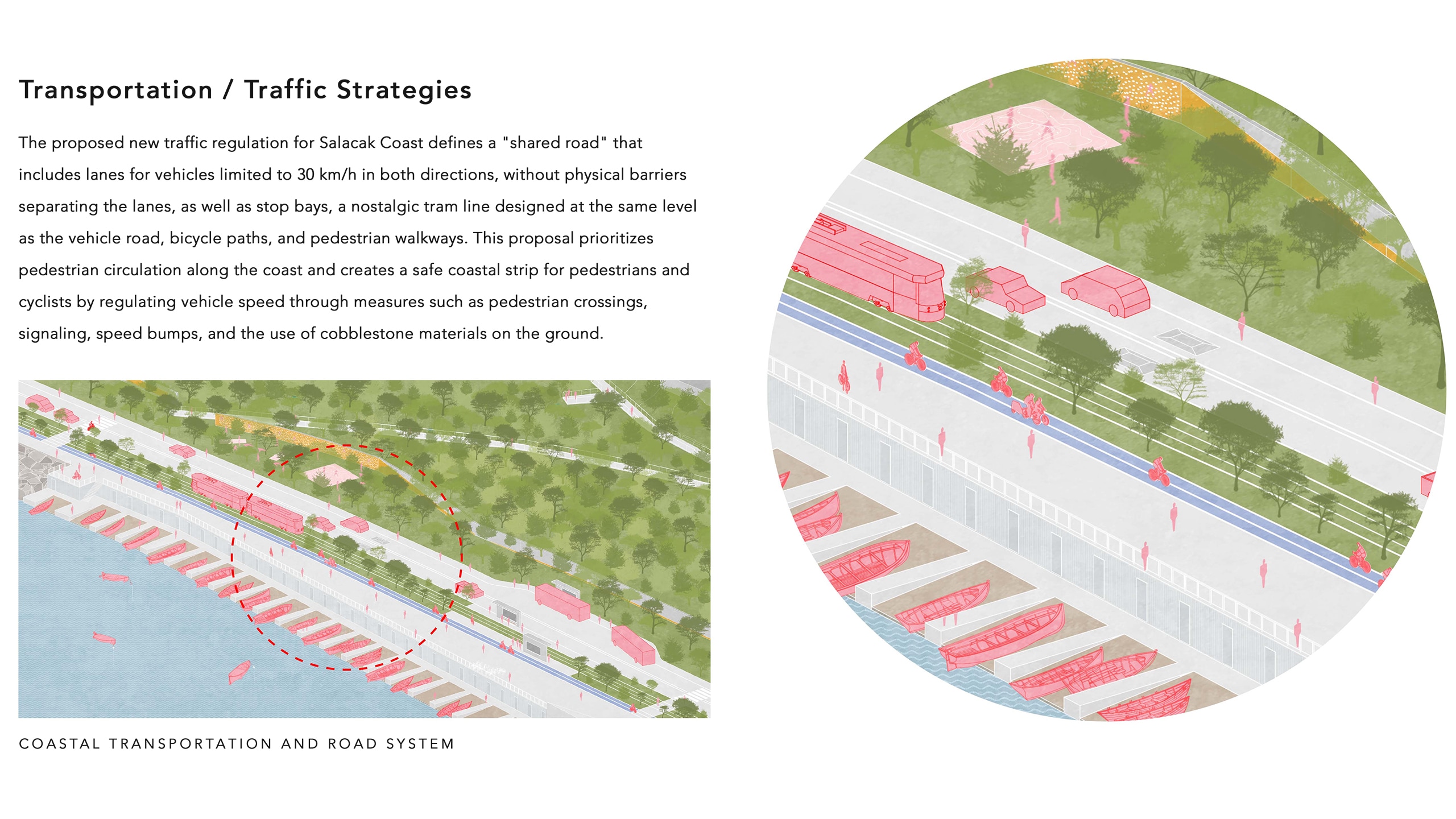
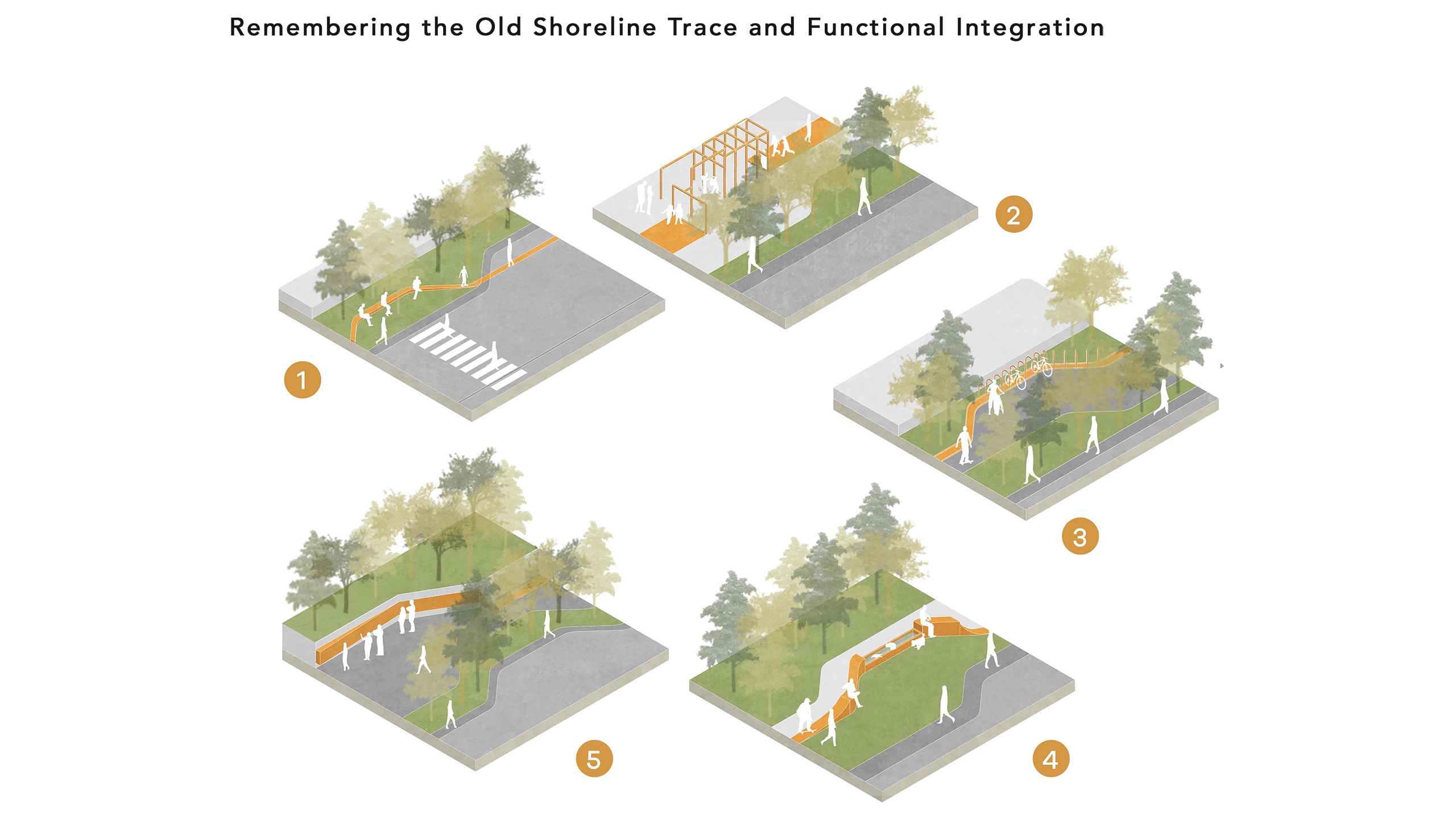
The transportation strategy redefines how people move along the Salacak coast. A “shared road” concept limits vehicle speeds to 30 km/h and accommodates cars, bicycles, pedestrians, and a new nostalgic tram line on the same level. The absence of physical dividers emphasizes urban coexistence and walkability. Safety elements such as crosswalks, speed bumps, and cobblestone paving ensure that the shoreline remains a pedestrian-first environment.
The upcoming Uskudar Nostalgic Tram Line also strengthens multimodal connectivity, with stops that align directly with the proposed public nodes and activity areas.
A Unified Urban Identity
Rather than functioning as fragmented interventions, the project’s components are tied together by a master plan that defines thematic zones and ensures functional and visual continuity along the coast. From cliffside walking routes to panoramic platforms and cultural installations, each element contributes to a shared urban identity deeply rooted in memory, landscape, and the experience of place.
By balancing historical reverence with modern needs, the Salacak-Harem project offers a new model for waterfront urbanism in Istanbul: a model that is inclusive, resilient, and responsive to both ecological and societal shifts.